Svalbard
01/08/2024
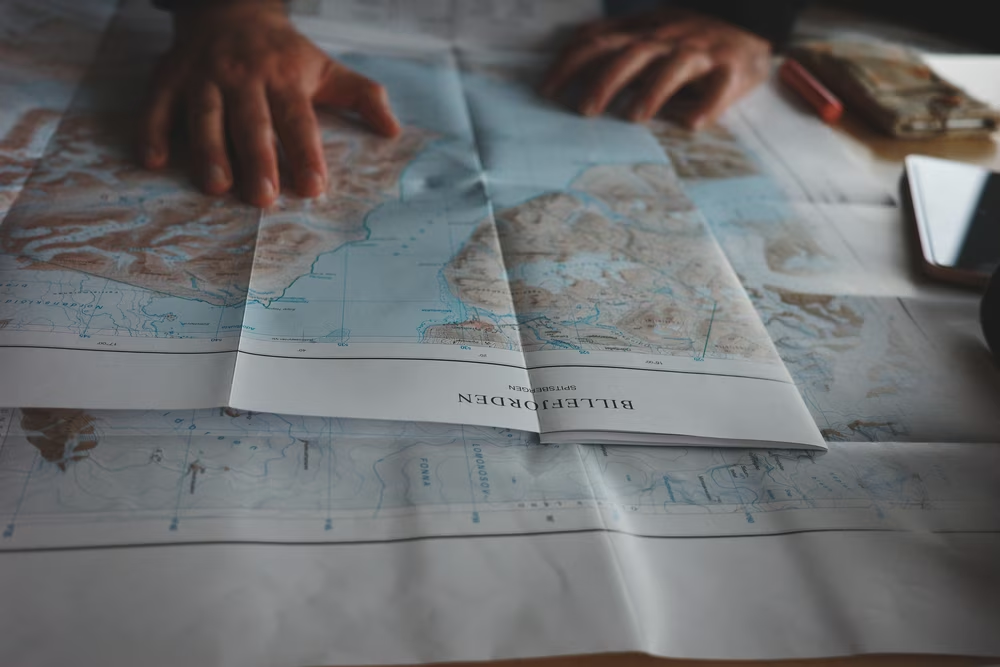 In the high Arctic, maps have an expiry date. Being so close to the magnetic north pole means that North moves around by a few degrees each year.
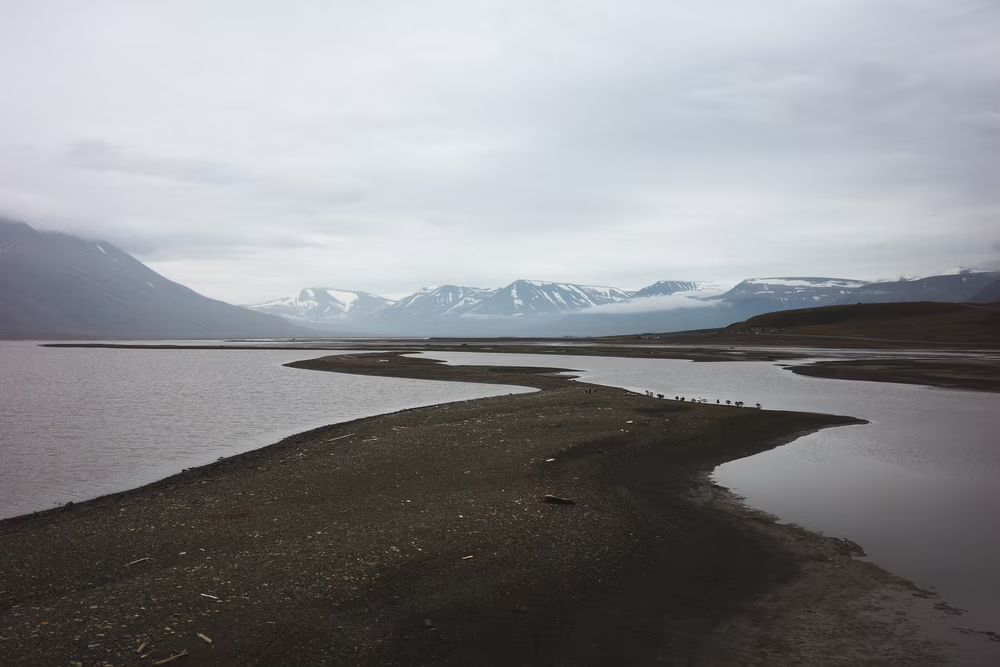
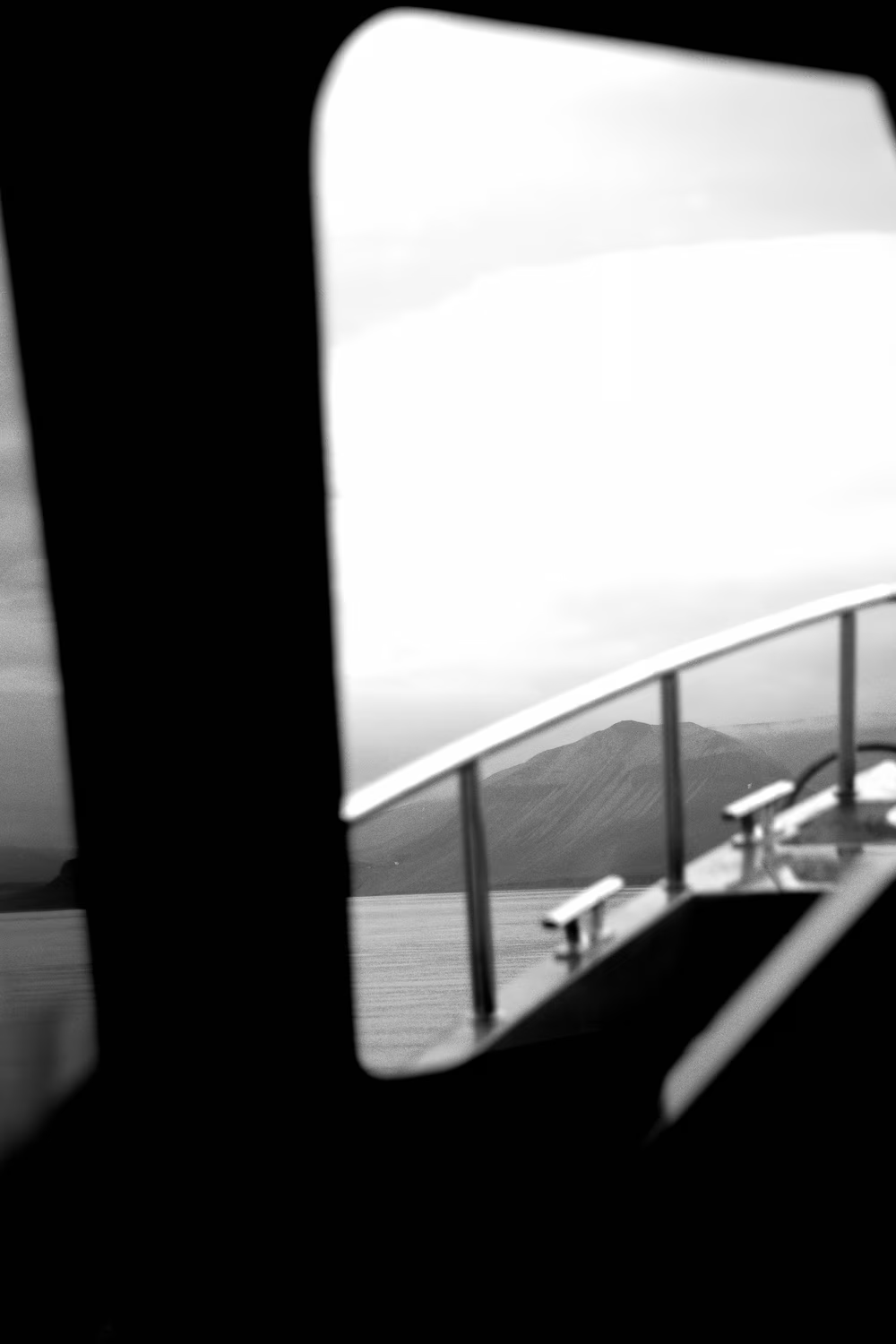 Crossing the Sassenfjorden, somewhere between the main settlement of Longyearbyen and the now abandoned mining town of Pyramiden.
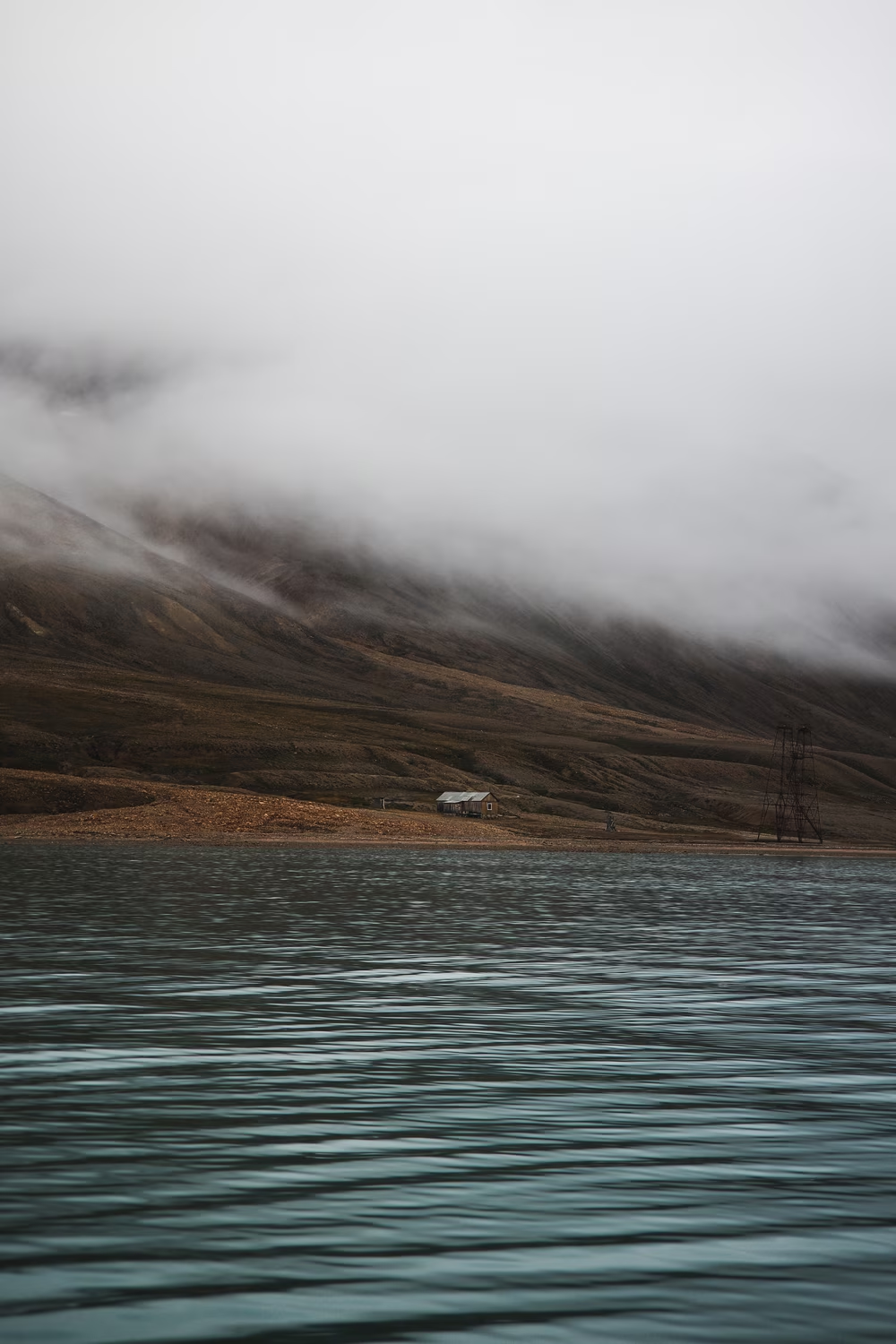
Trapper cabins dot the landscape, but to use them, you need to be resident and a registered hunter.
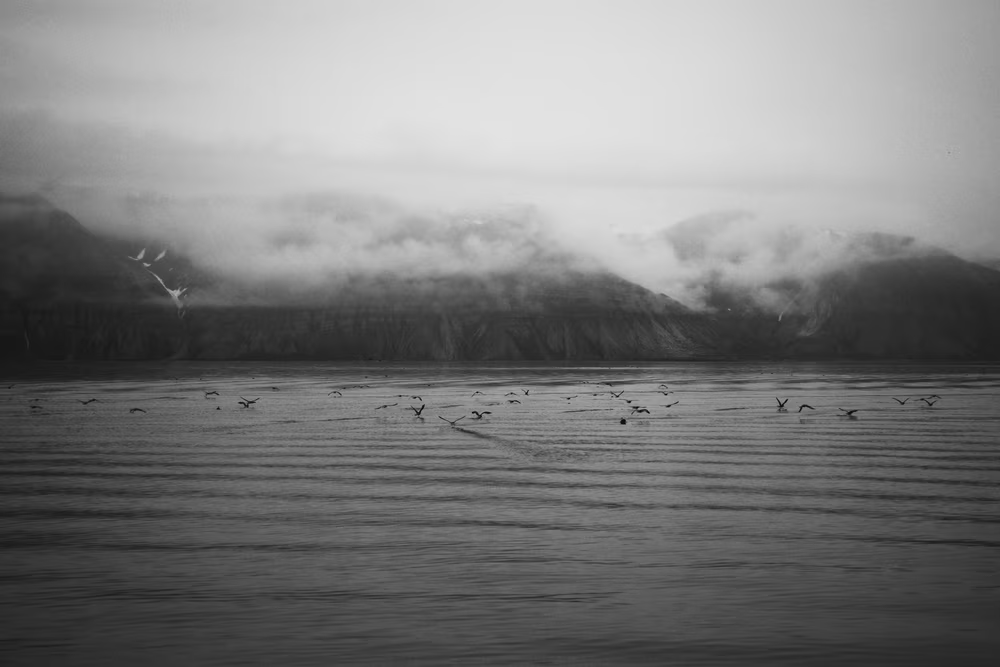
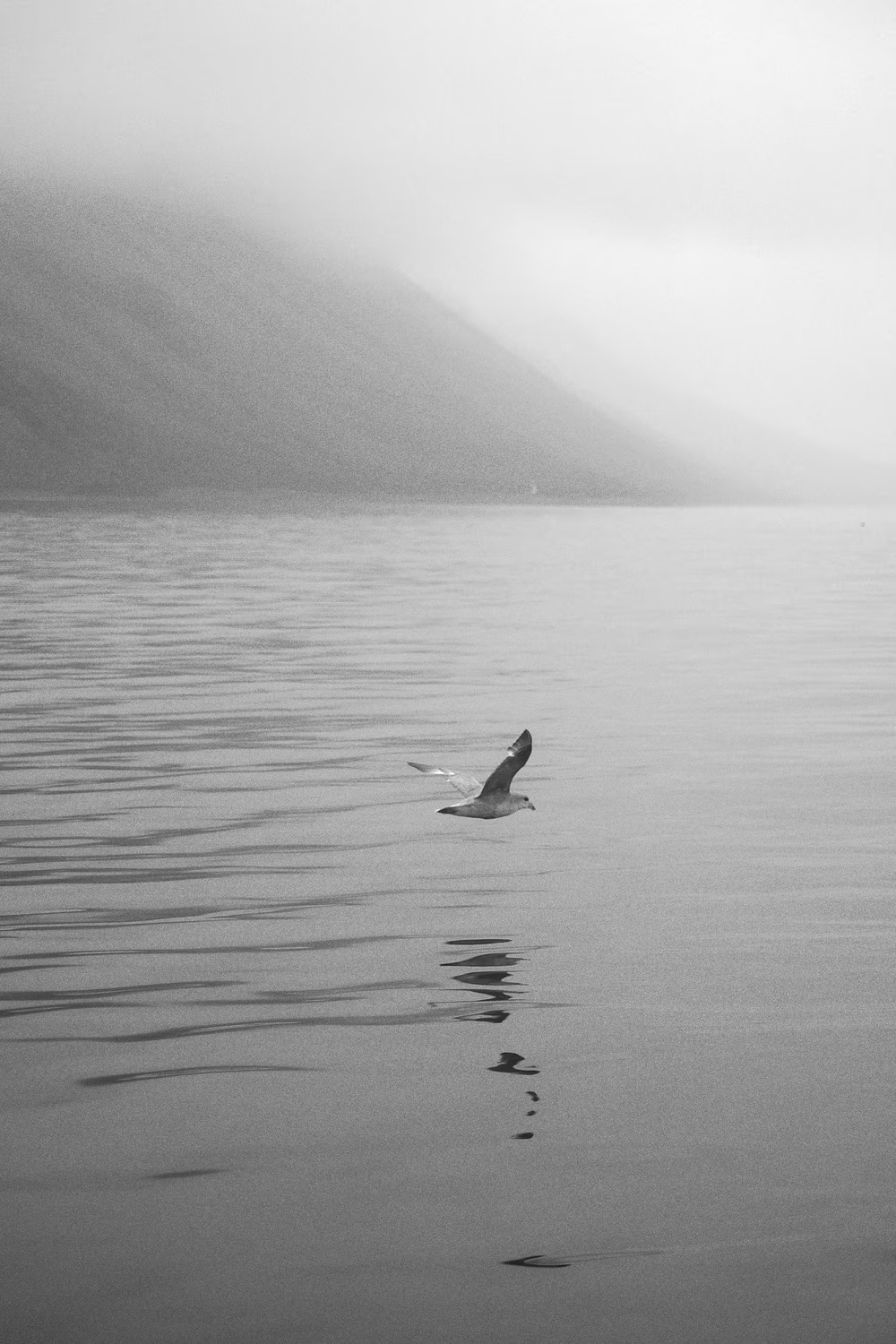 The Arctic Fulmar. If you're on a boat, it'll come up right next to you, match speed, and glide a few inches above the water.
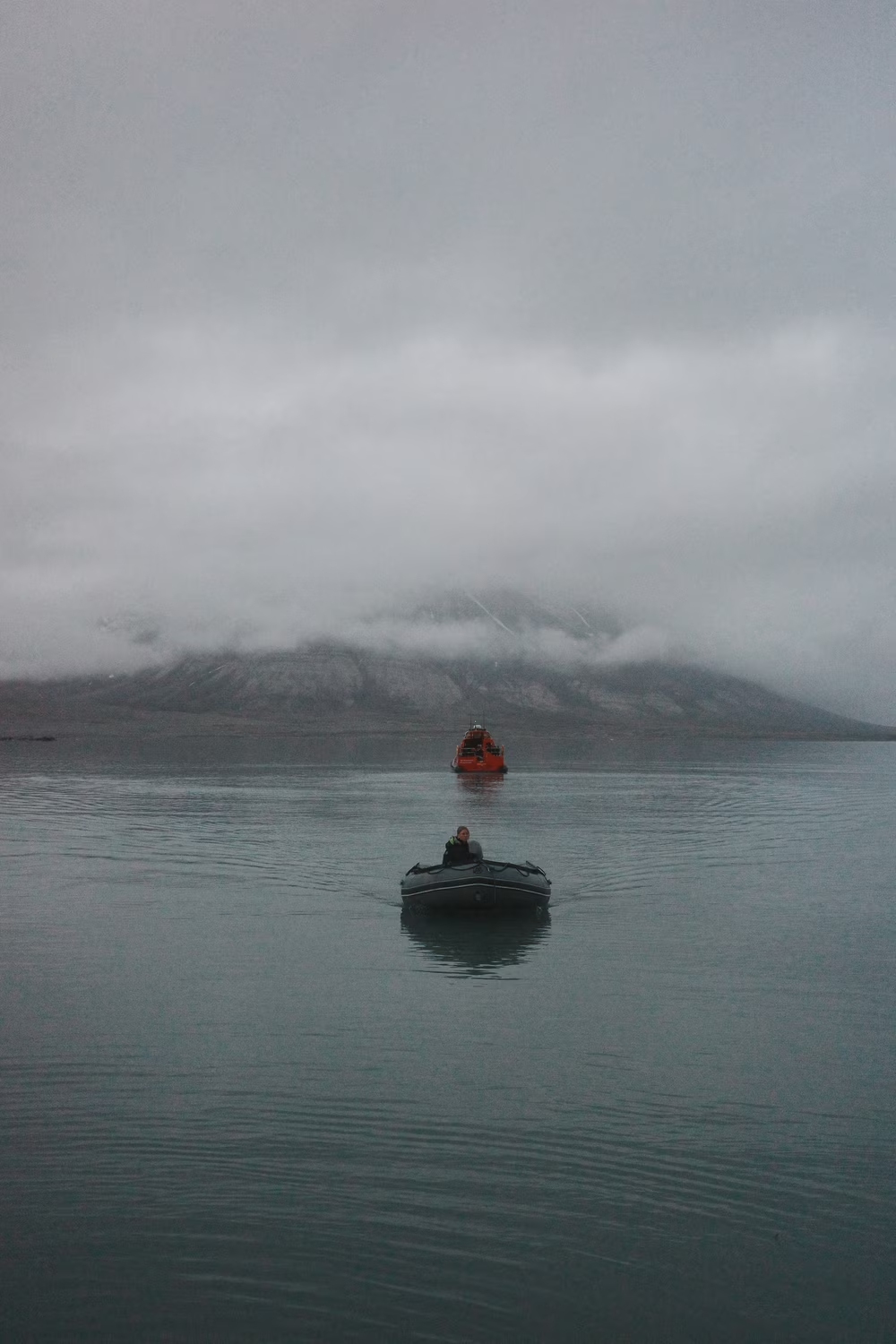 In summer, it's a balmy 4 degrees, and you can get to the Nordenskiöld glacier by boat. In winter, the whole fjord freezes over, and a snowmobile is your best bet.
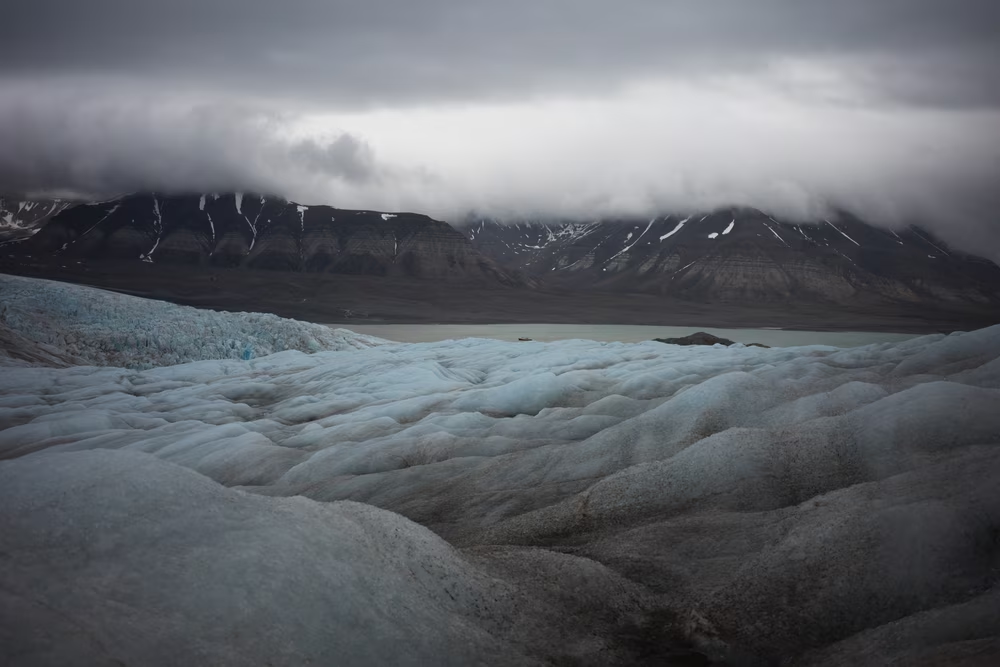
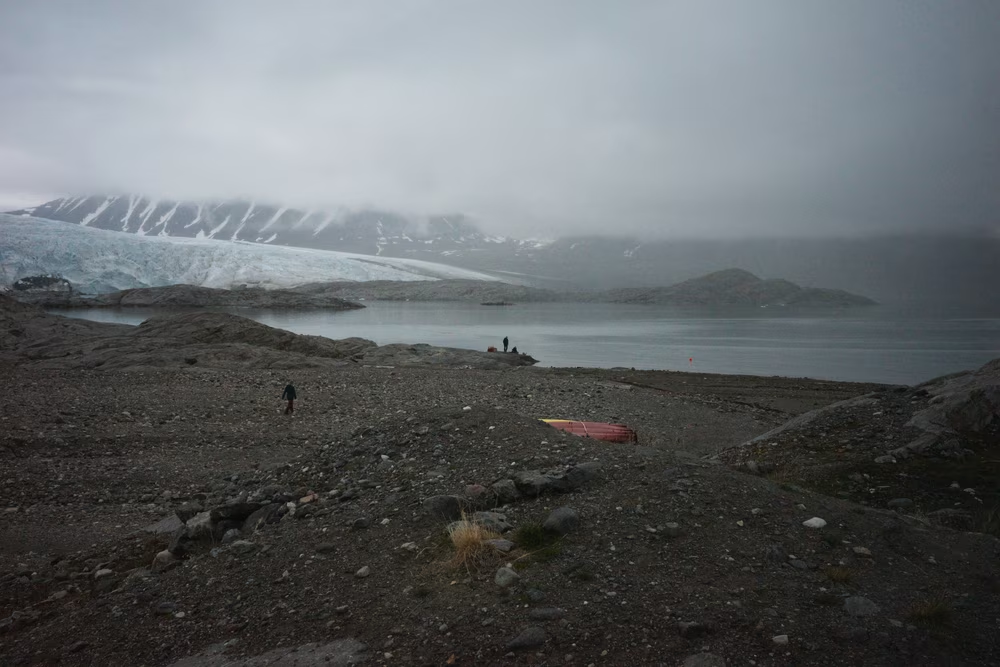 The texture and light reflected off the ice make it hard to judge the distance to the glacier. In this picture, it is two kilometres away.
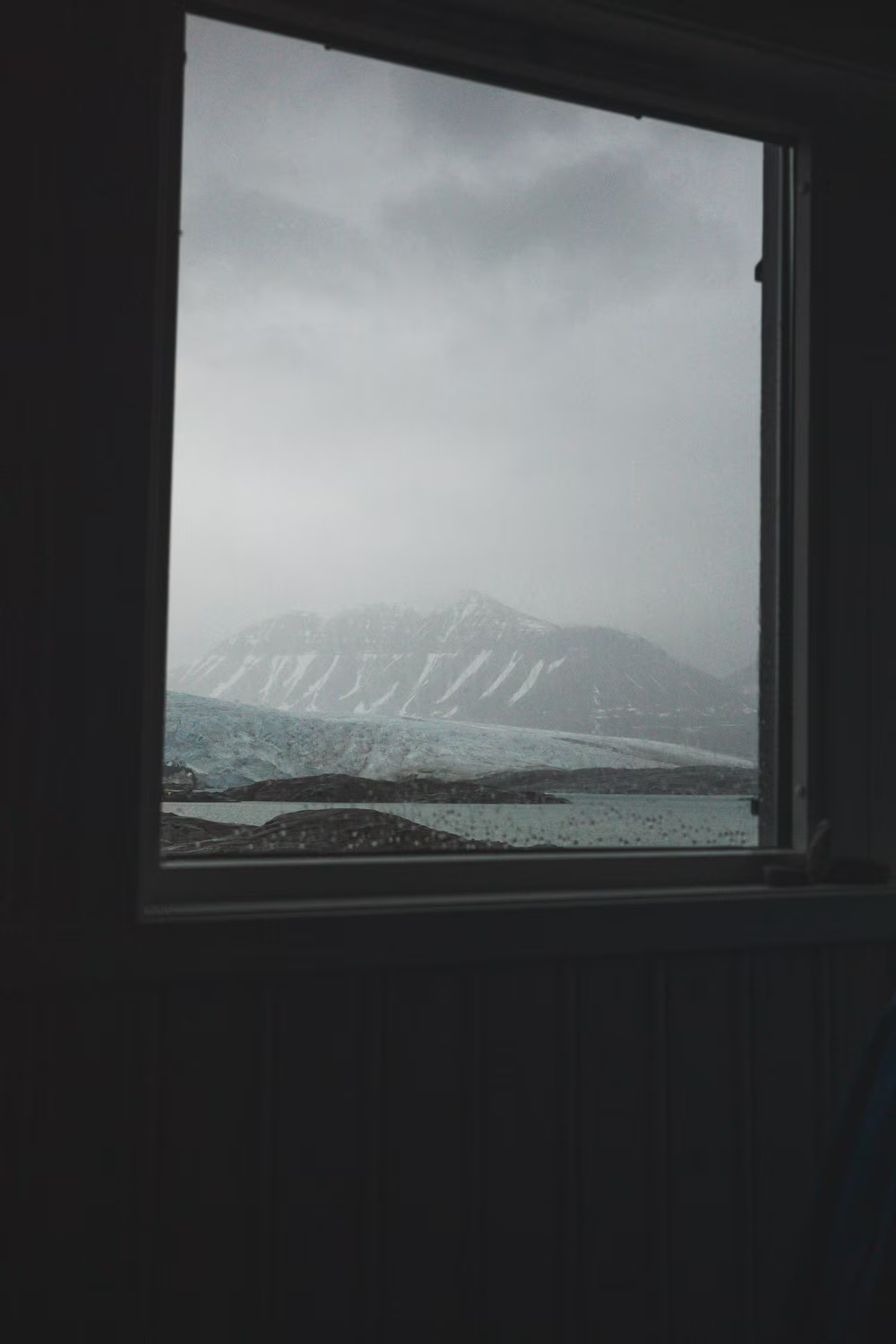 1 AM. You can hear the groans and bangs from the glacier as pieces of ice carve off and fall into the sea.
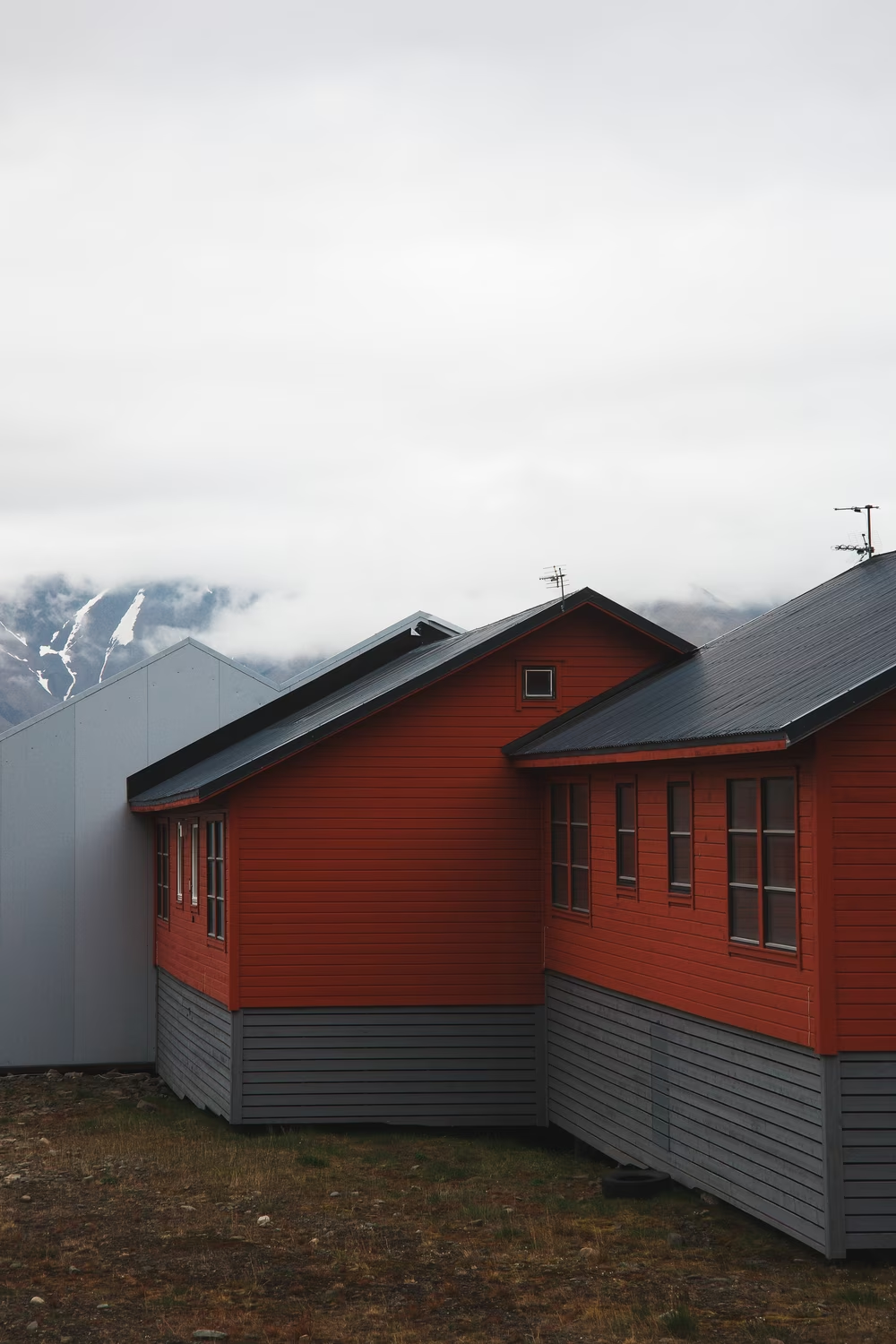
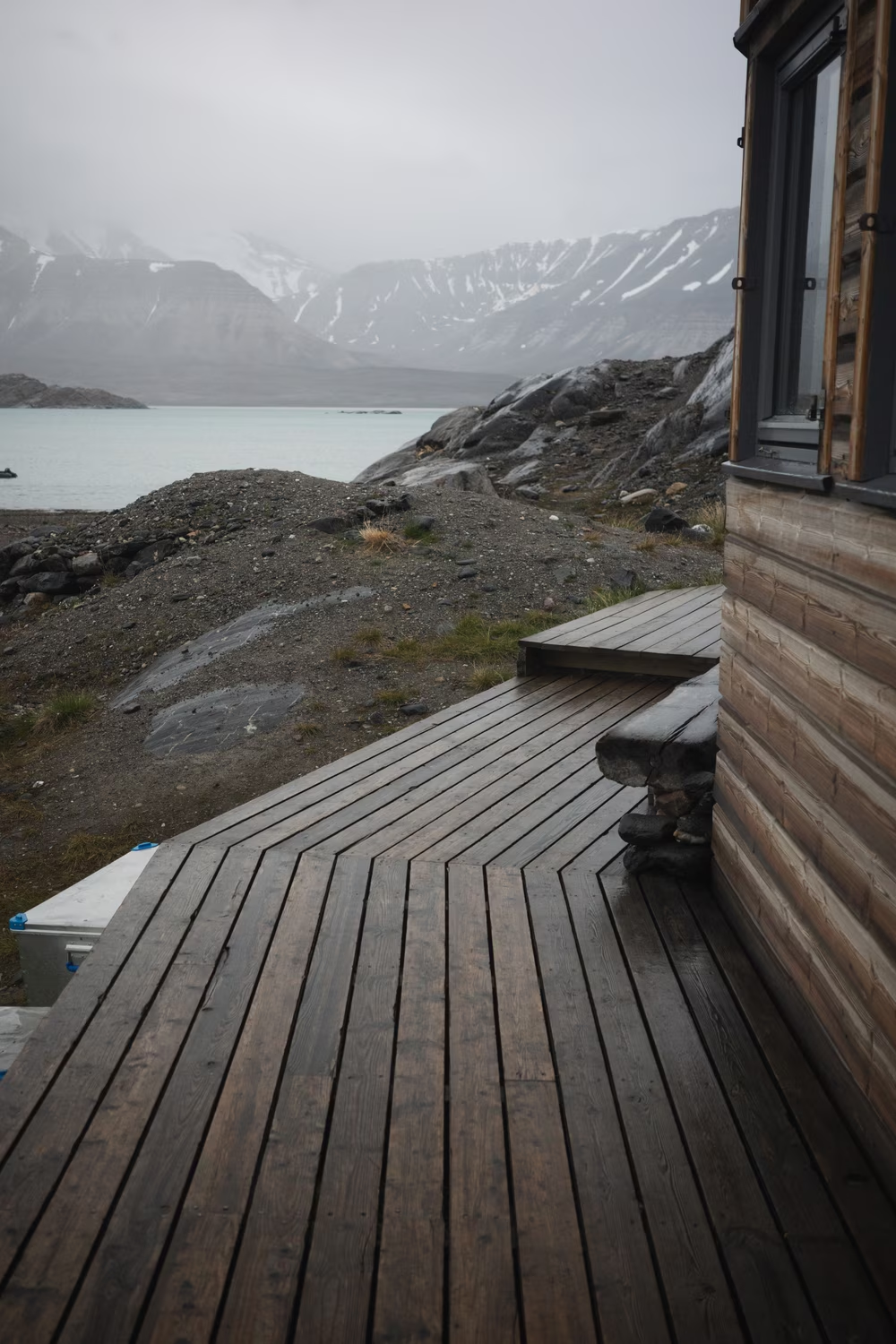 Trees do not grow in the Arctic. Wood is shipped in from Norway, a thousand kilometres away.
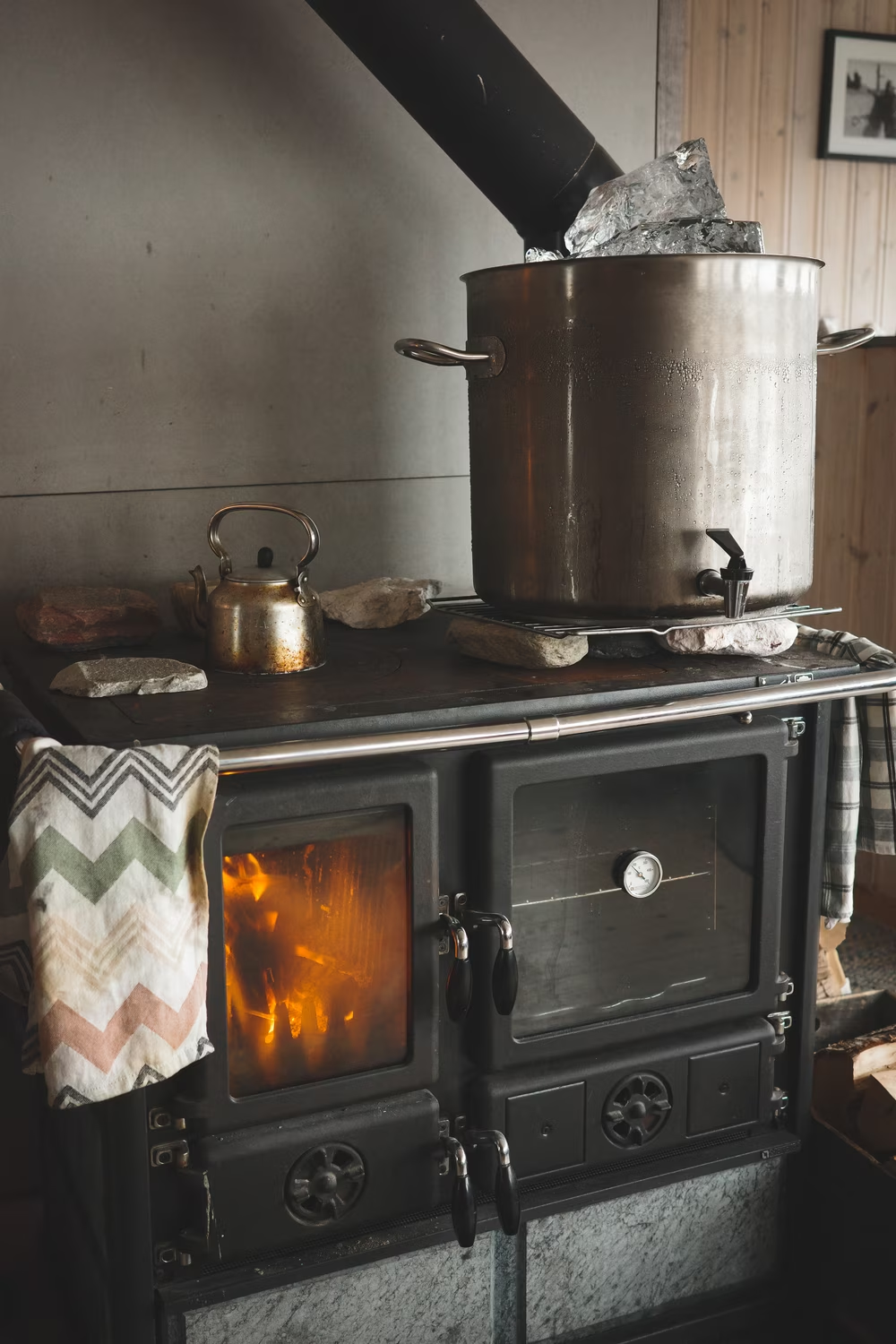 Most off-grid cabins do not have access to running water. Some of them might have access to fresh glacial ice, though.
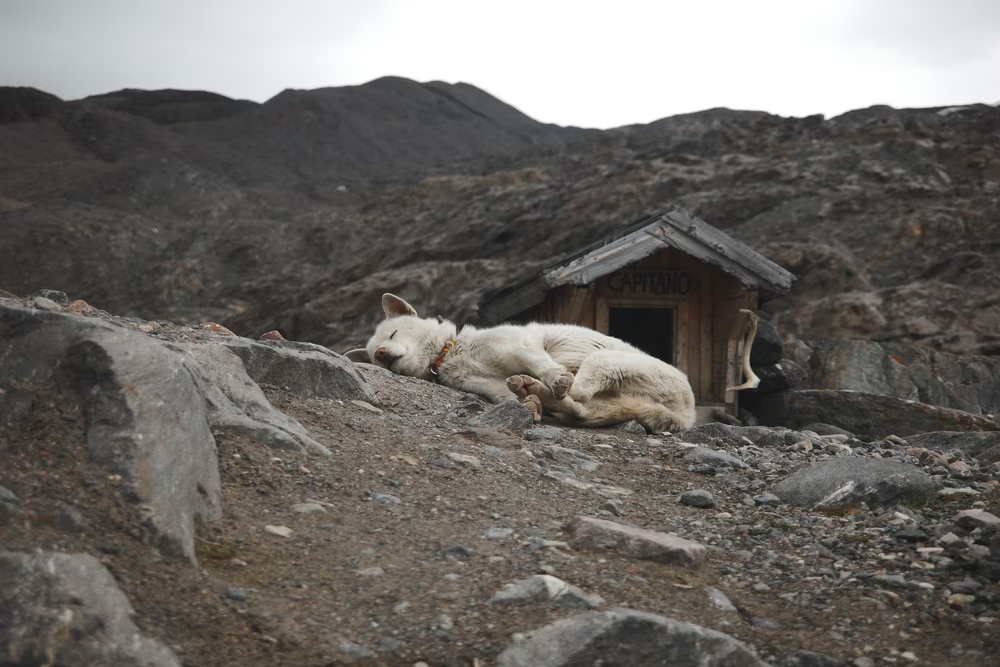 Capitano is a veteran sled husky, now enjoying his years of retirement. Despite his name, he was never a pack leader. That job is reserved for girls. Boys are easily distracted.
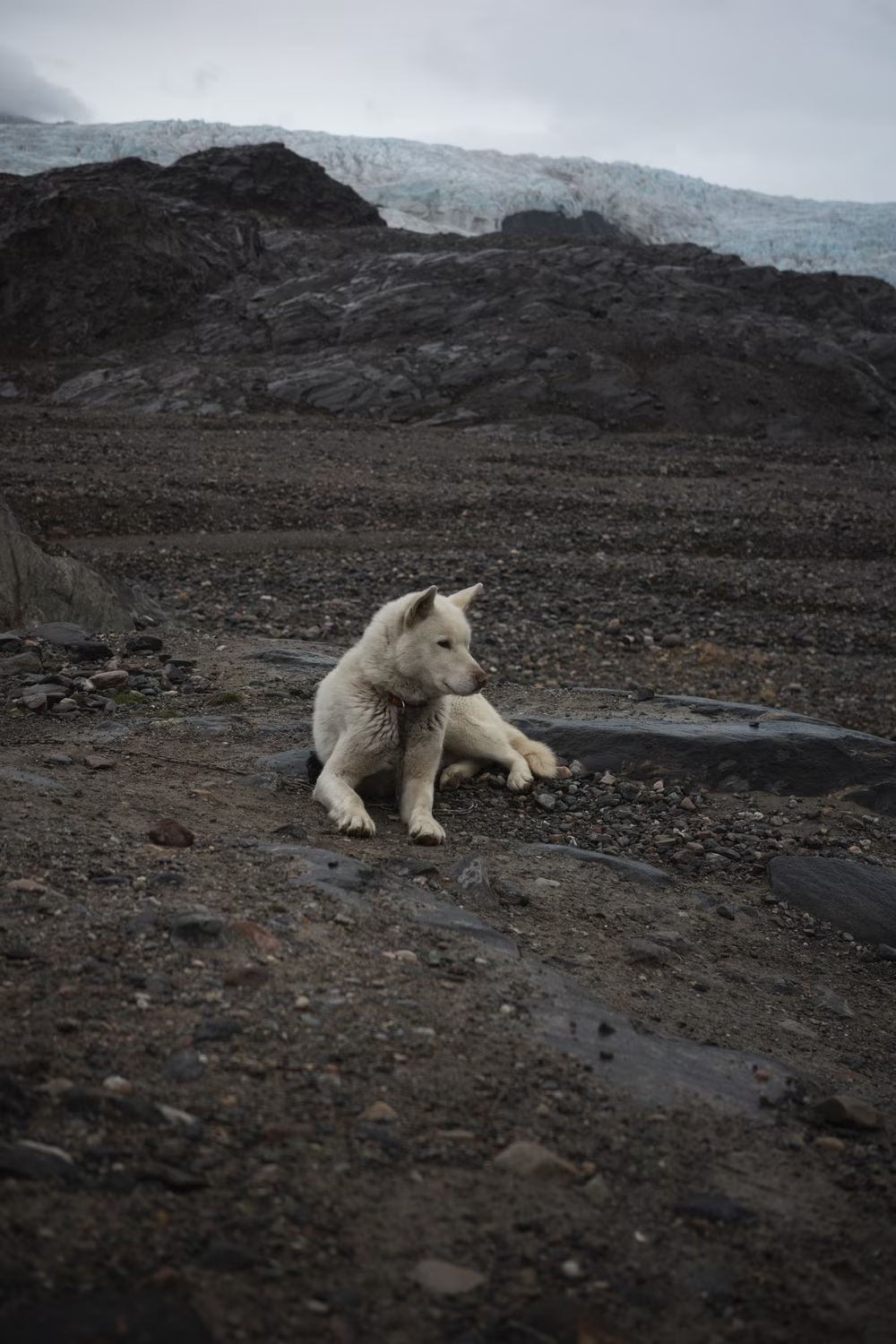
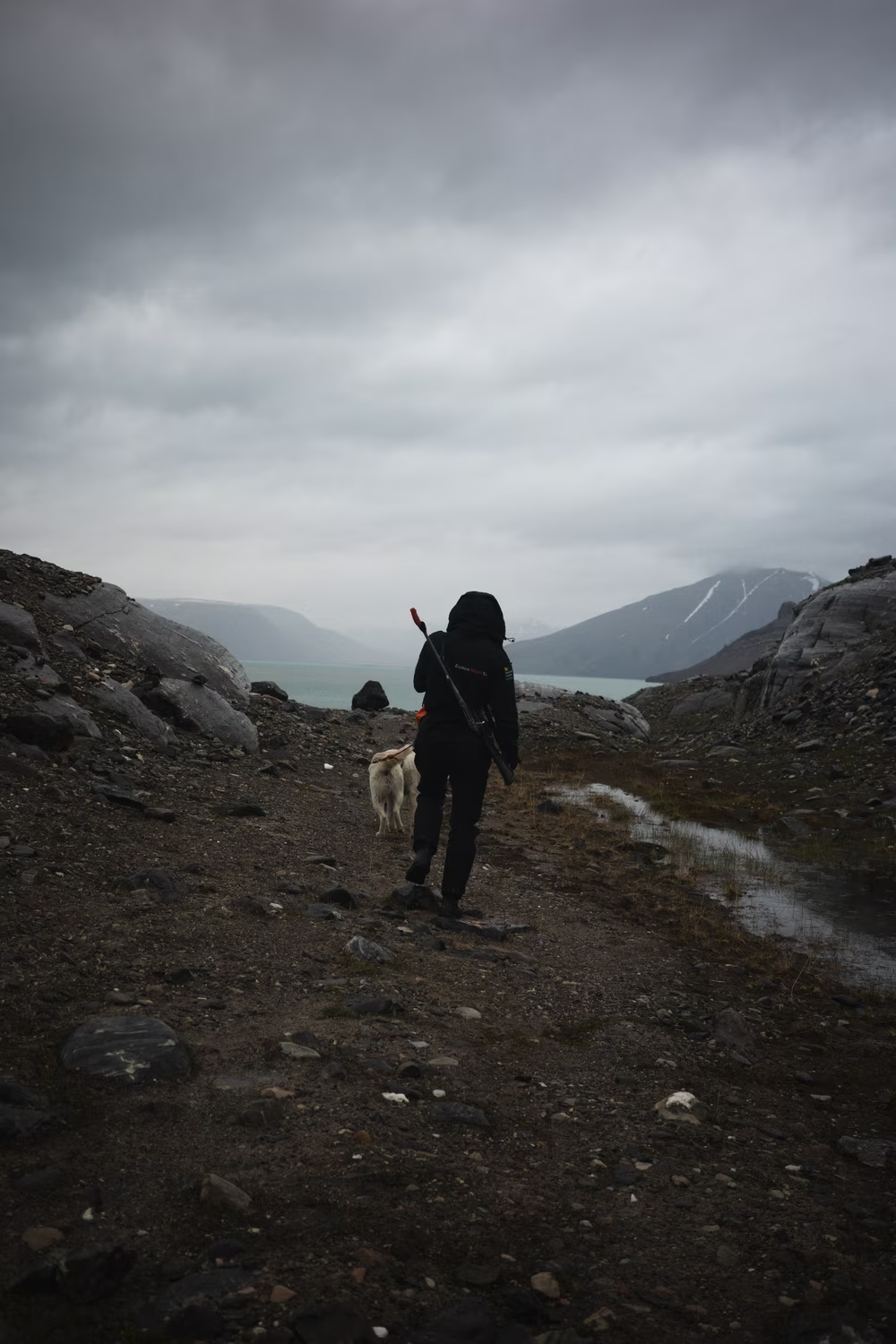 Dog walks require a high-calibre rifle.
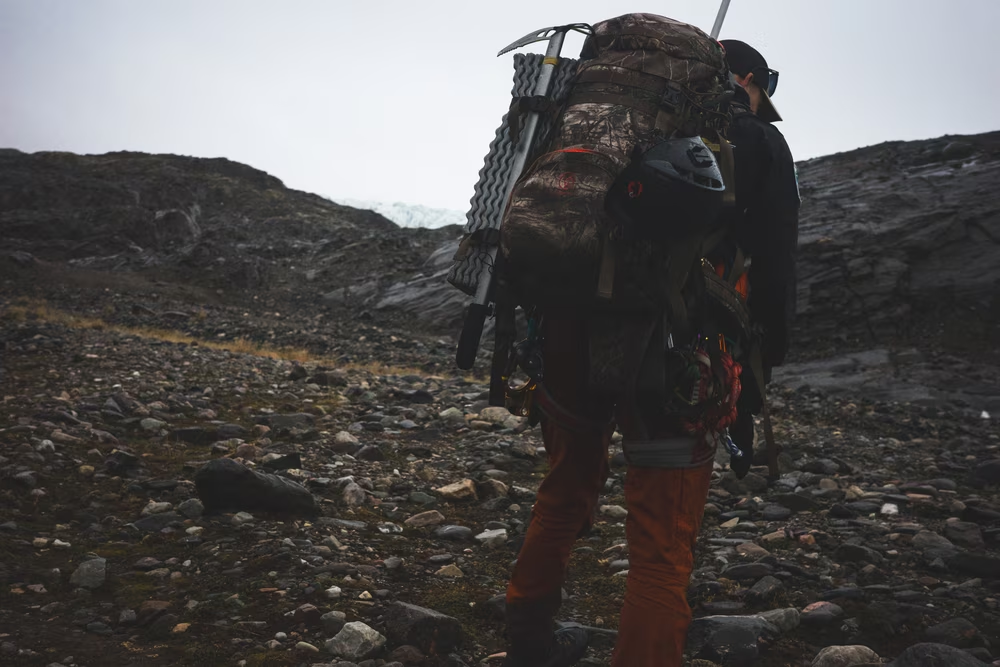
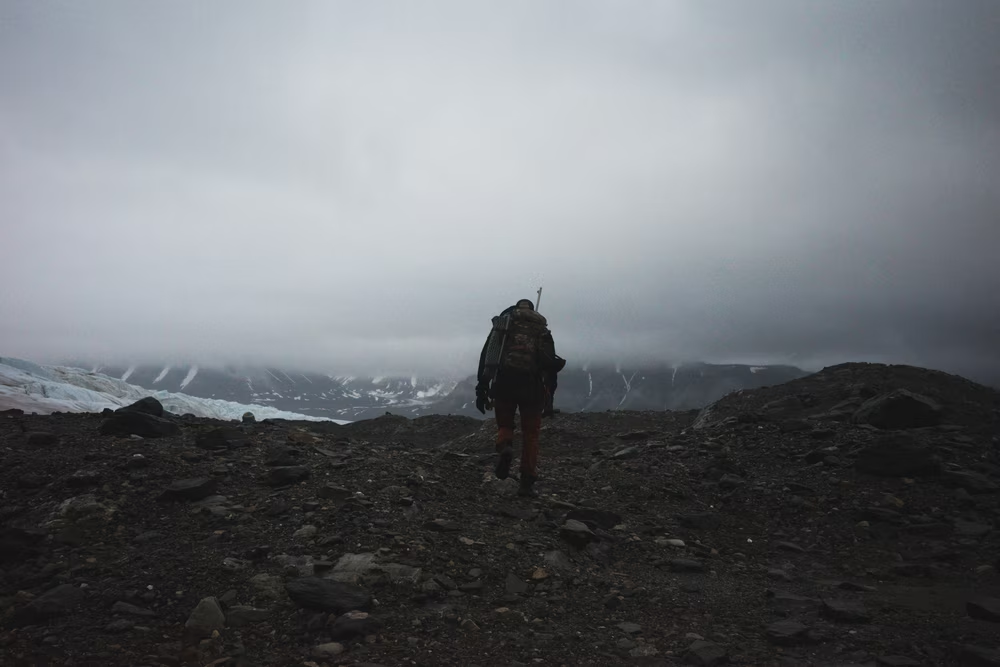 Outside of the main settlement of Longyearbyen, you will need an armed escort to do pretty much anything. Polar bears outnumber humans here, and with rising temperatures and melting ice, they tend to move south.
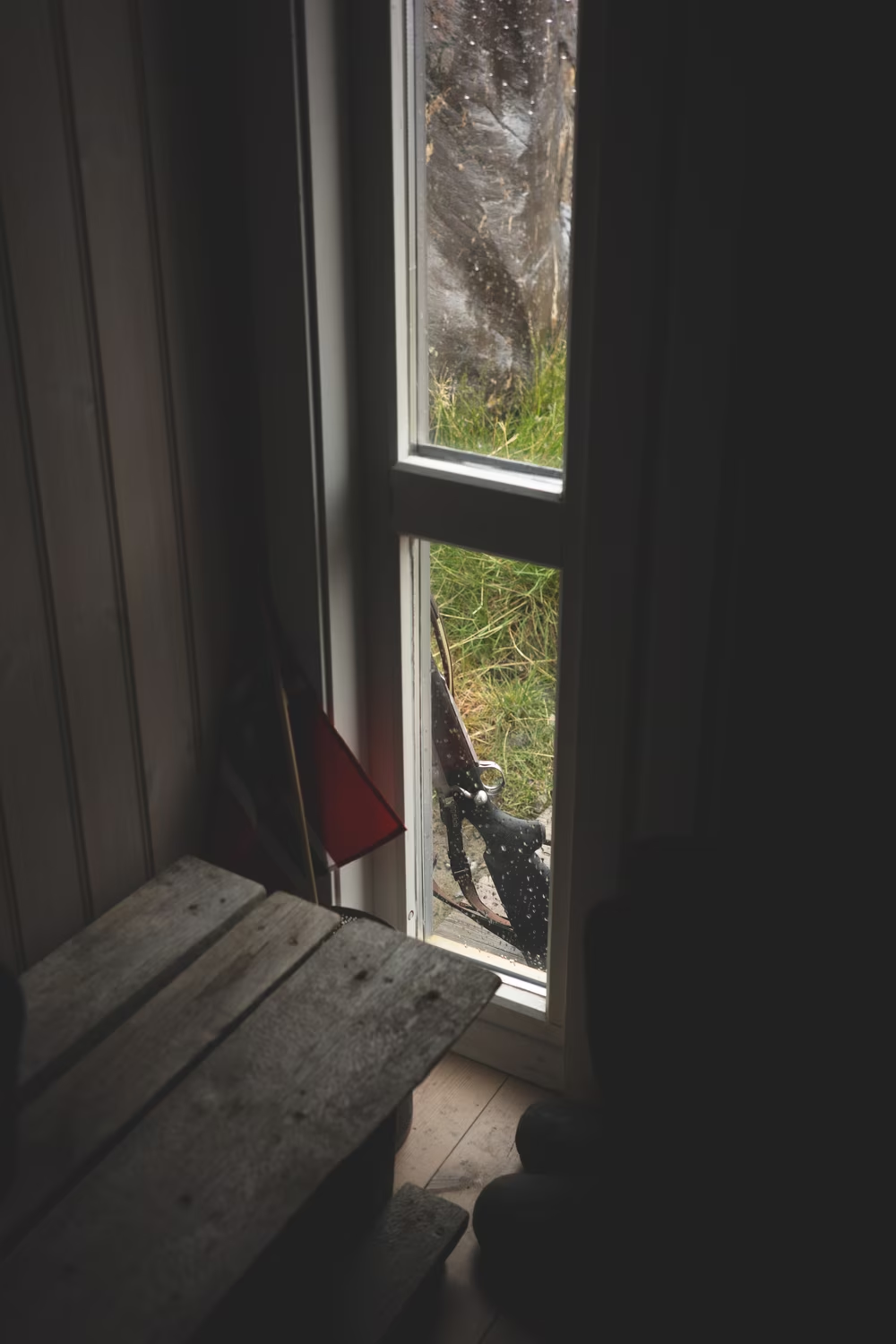 One rifle always stays outside the cabin. Moving a gun suddenly from the warm indoors to the cold outdoors may cause it to jam. Fortunately, bears do not know how to use them.
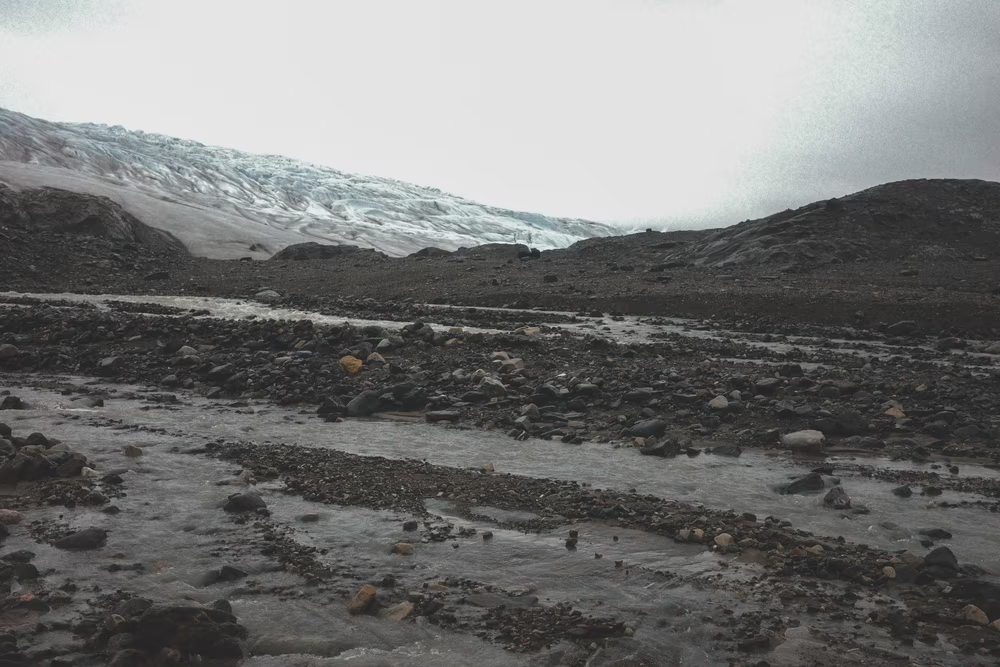 Meltwater brings forth moraine from different geologic ages spanning thousands of years. As far as the glaciers across the world is concerned, the ice in Svalbard is considerd young.
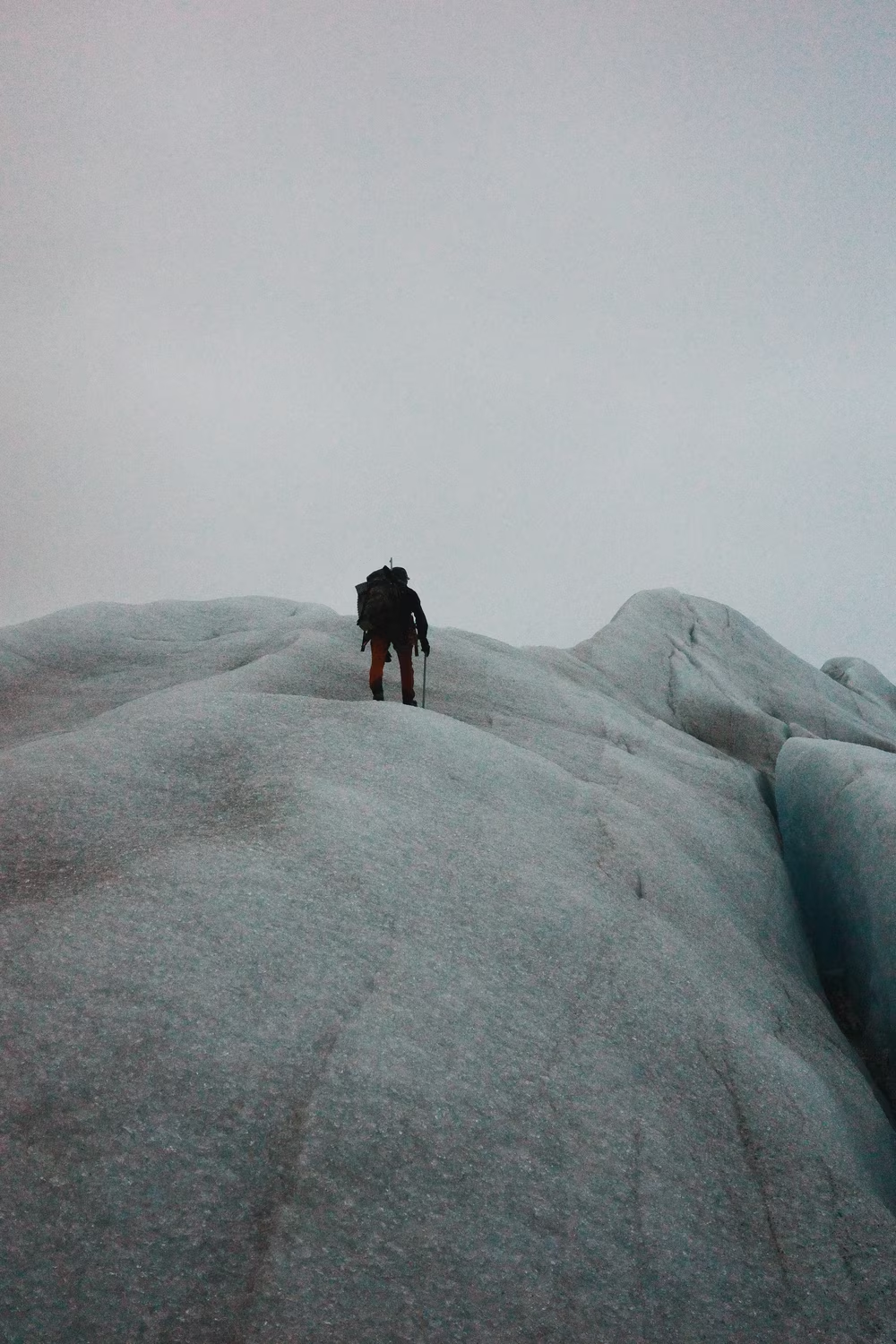
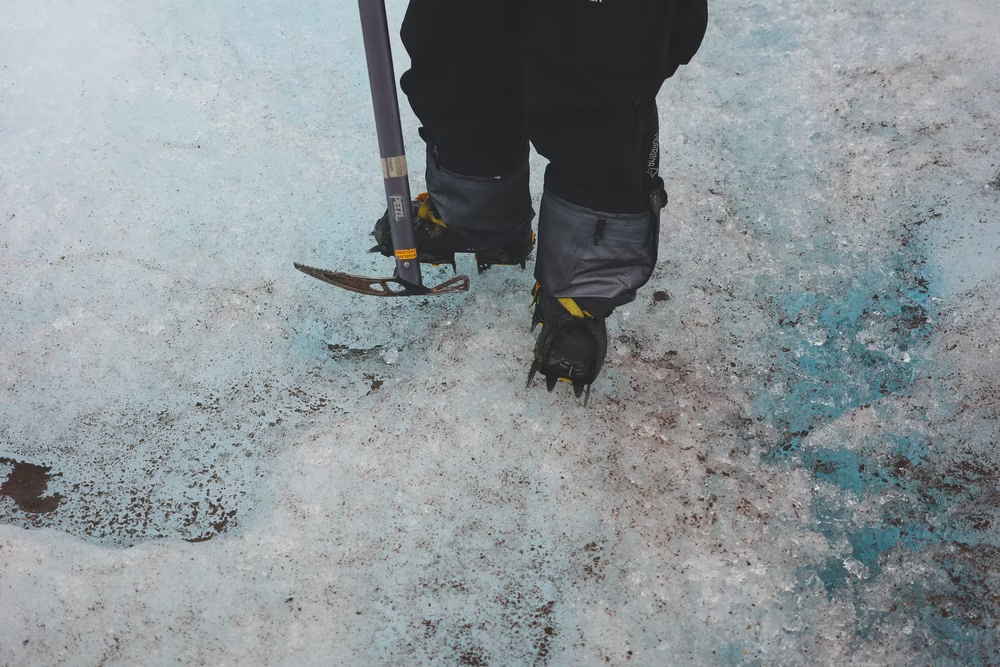
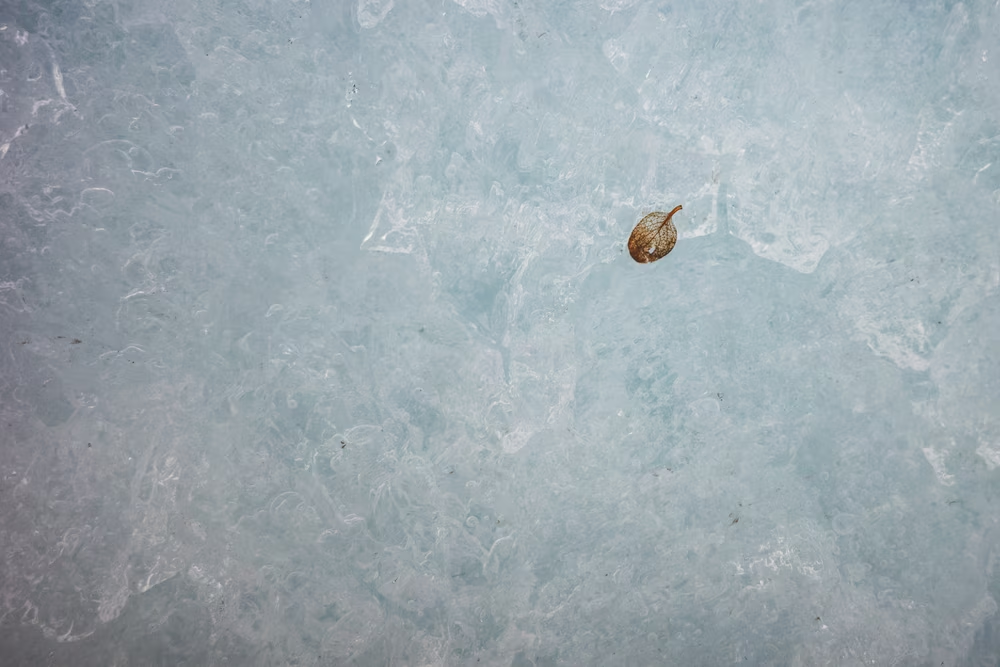
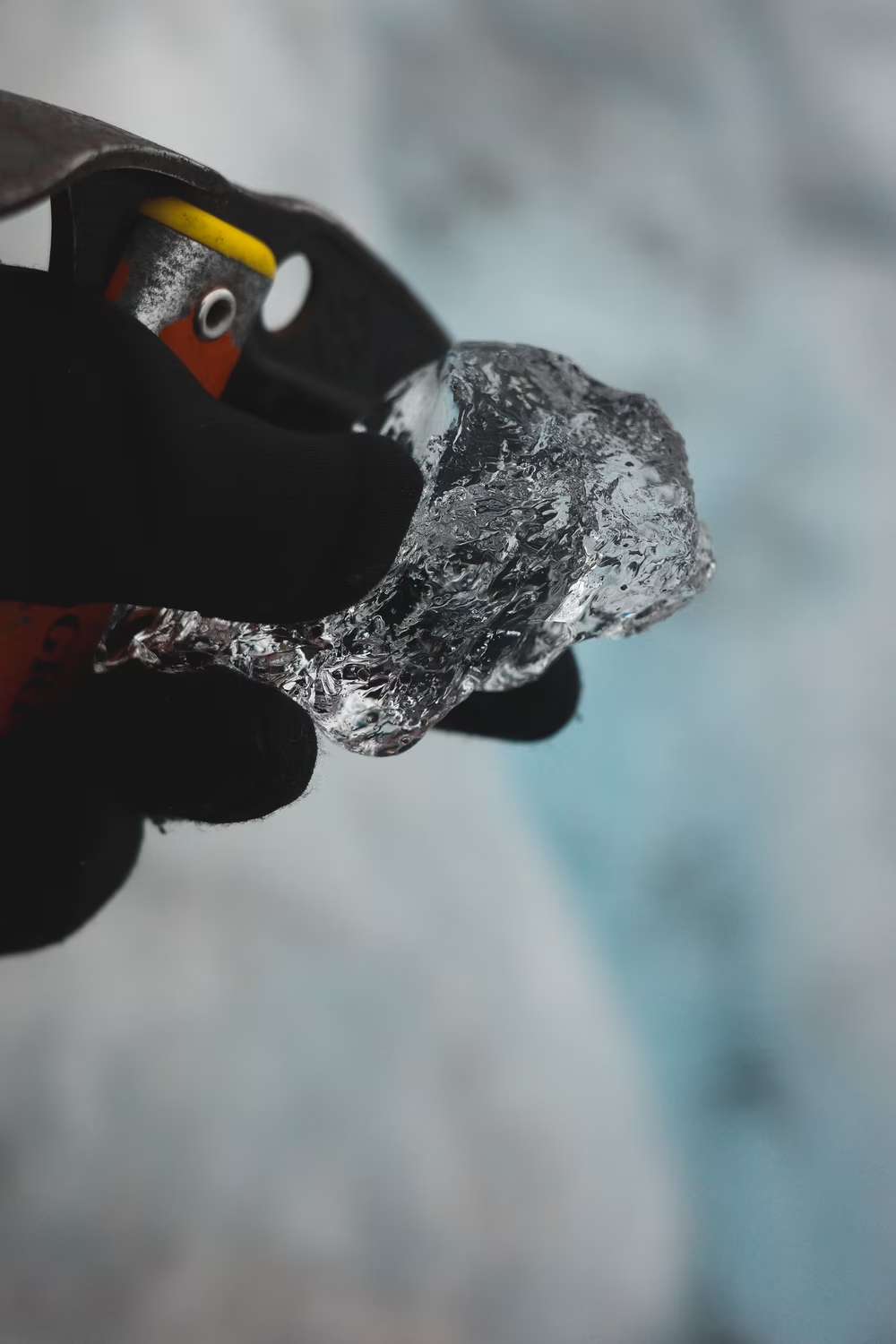 The tiny pressurised air bubbles will make your Bourbon crackle (verified).
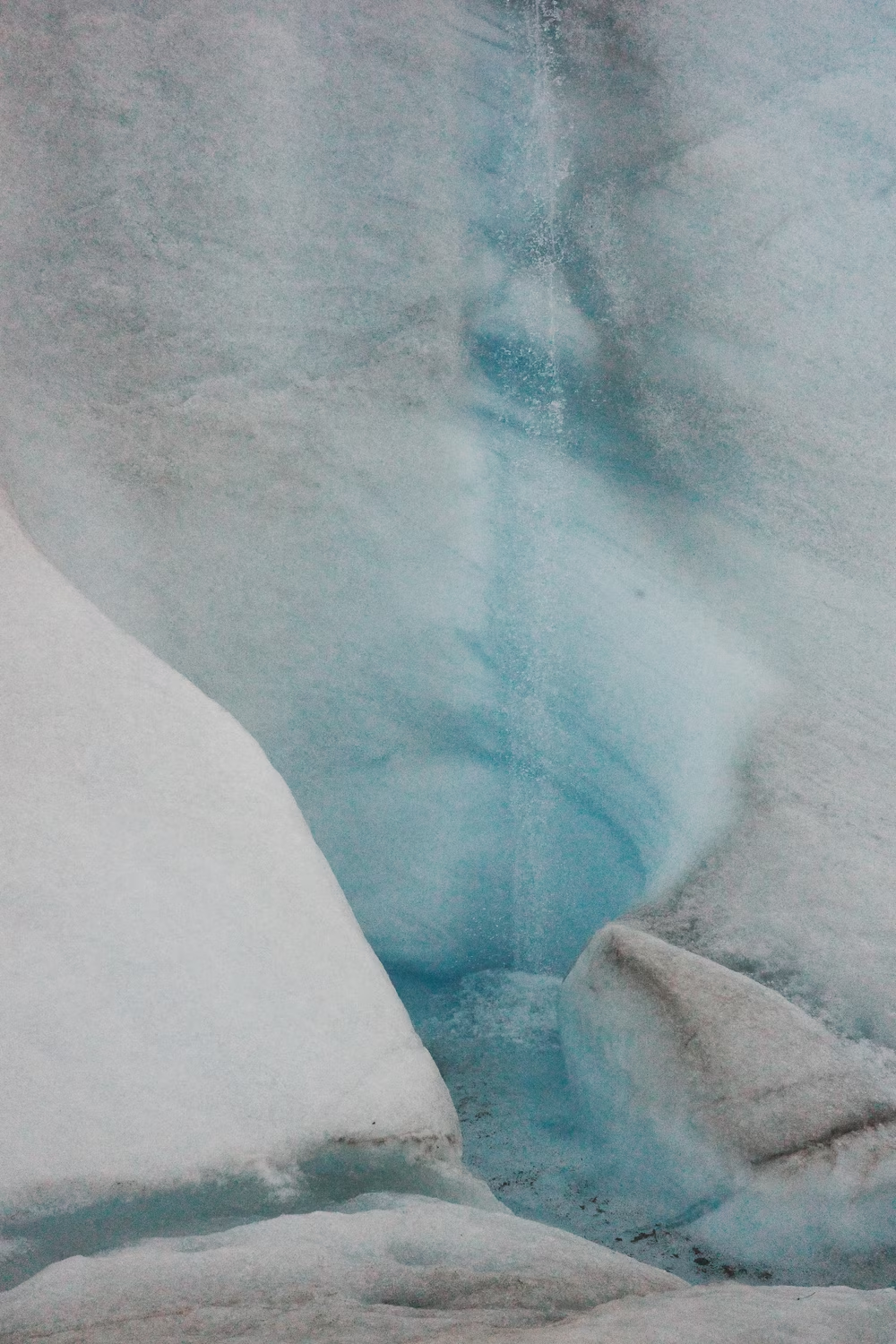
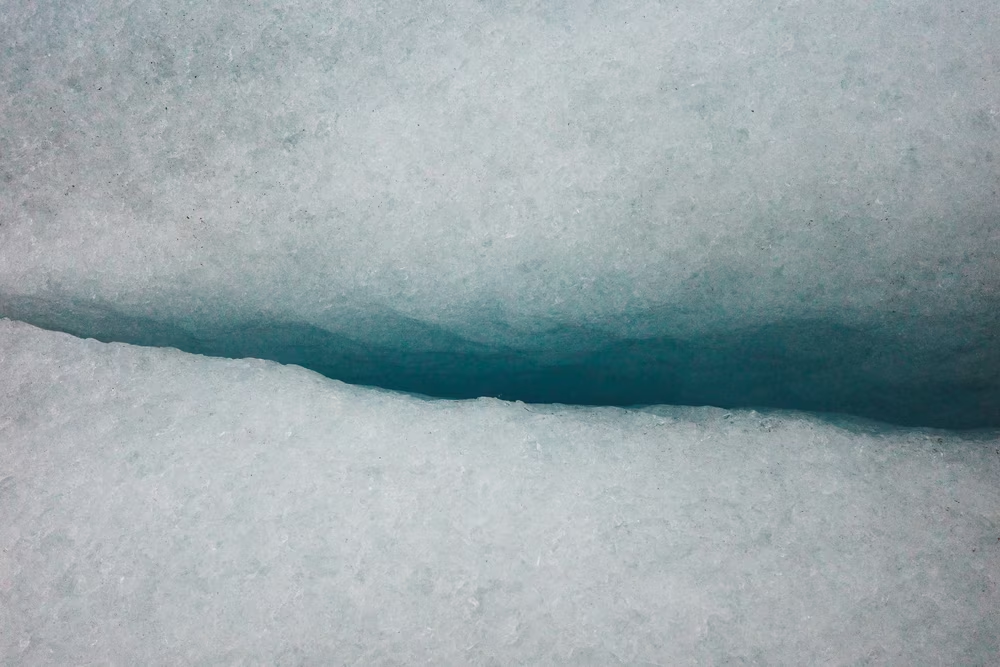
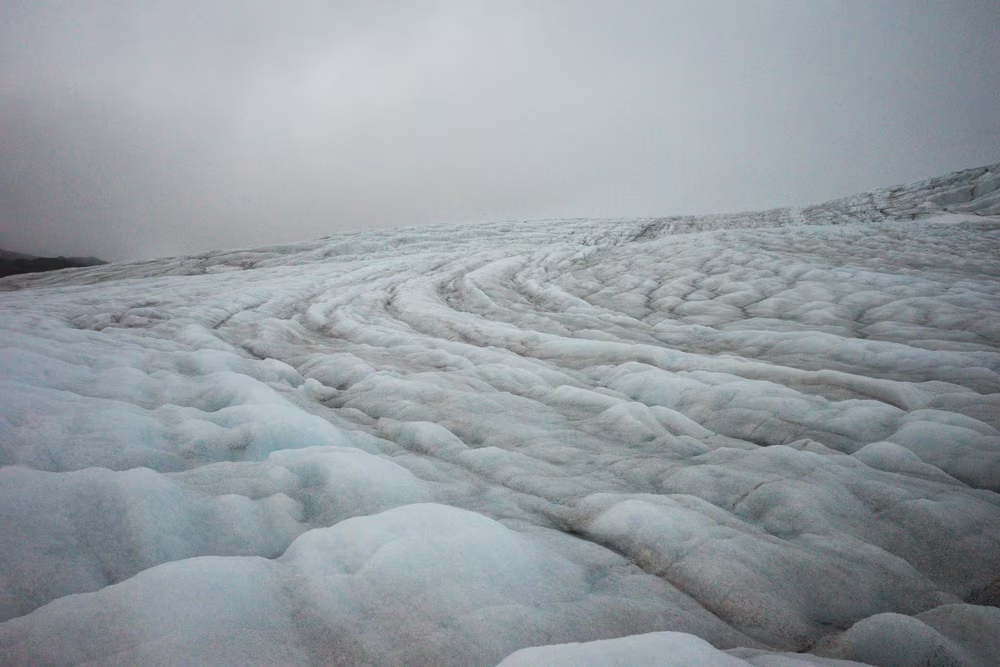 Glaciers are just big frozen rivers flowing in super slow-motion. The turns cause torsion, which lead to the deep blue crevasses.
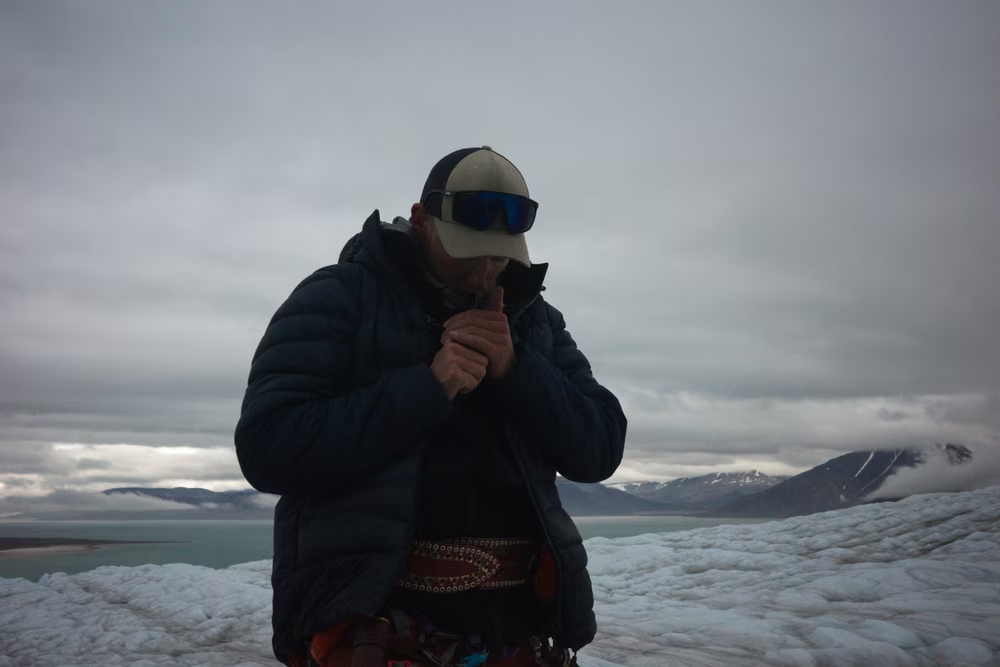 A traditional Sami wilderness belt. In this case, a family heirloom.
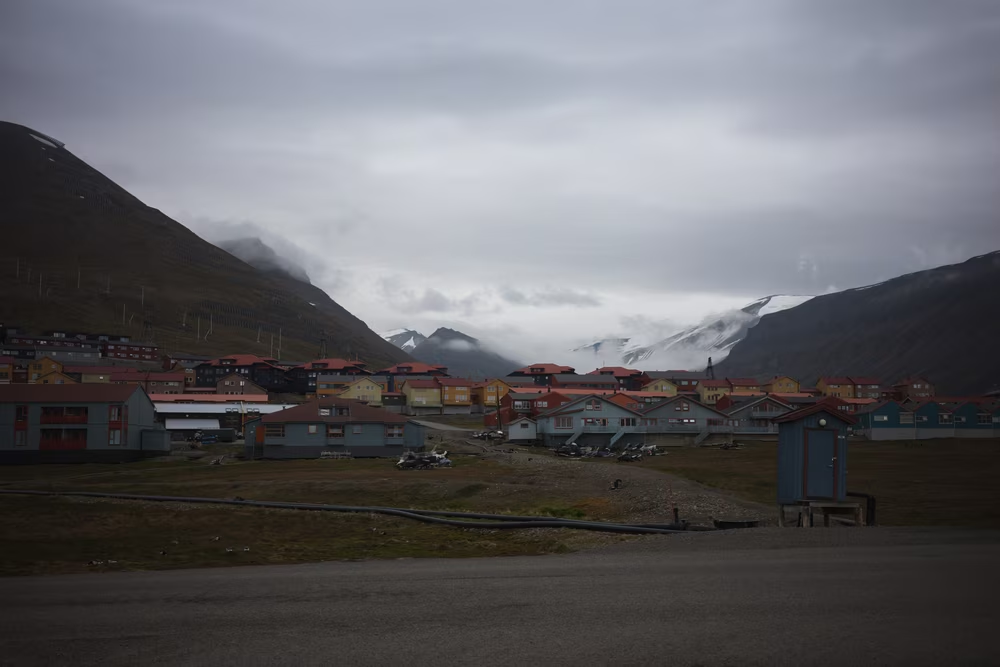 Longyearbyen. Almost all of it. All front doors are left unlocked throughout the year, if you suddenly need to take refuge from a large white furry mammal.
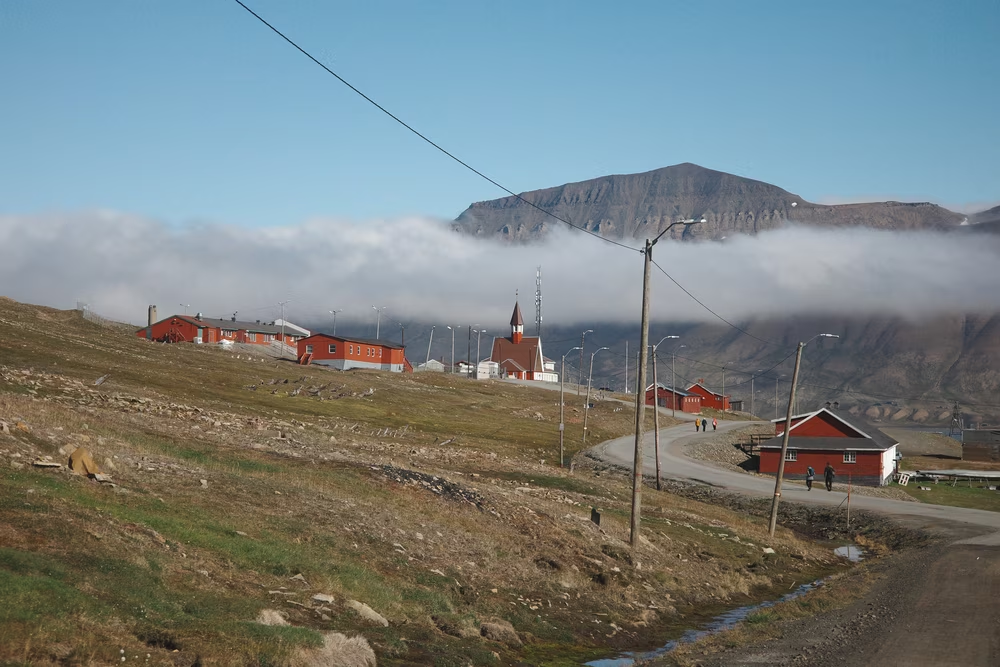
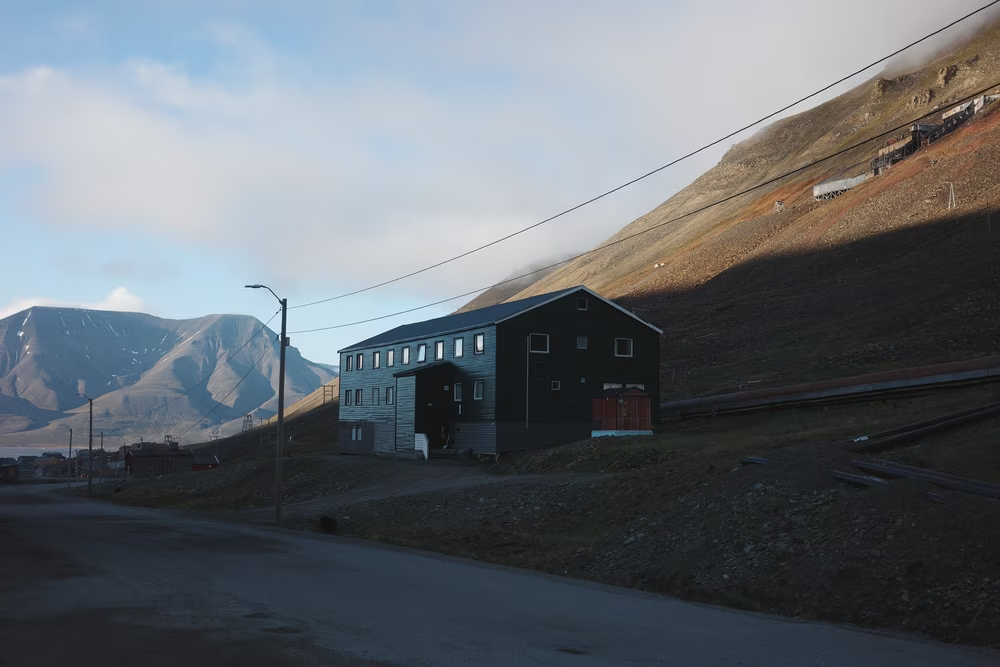 This used to be the cabin for the workers at the coal mine above. The mine's now abandoned, and the cabin is now accommodation for visitors.
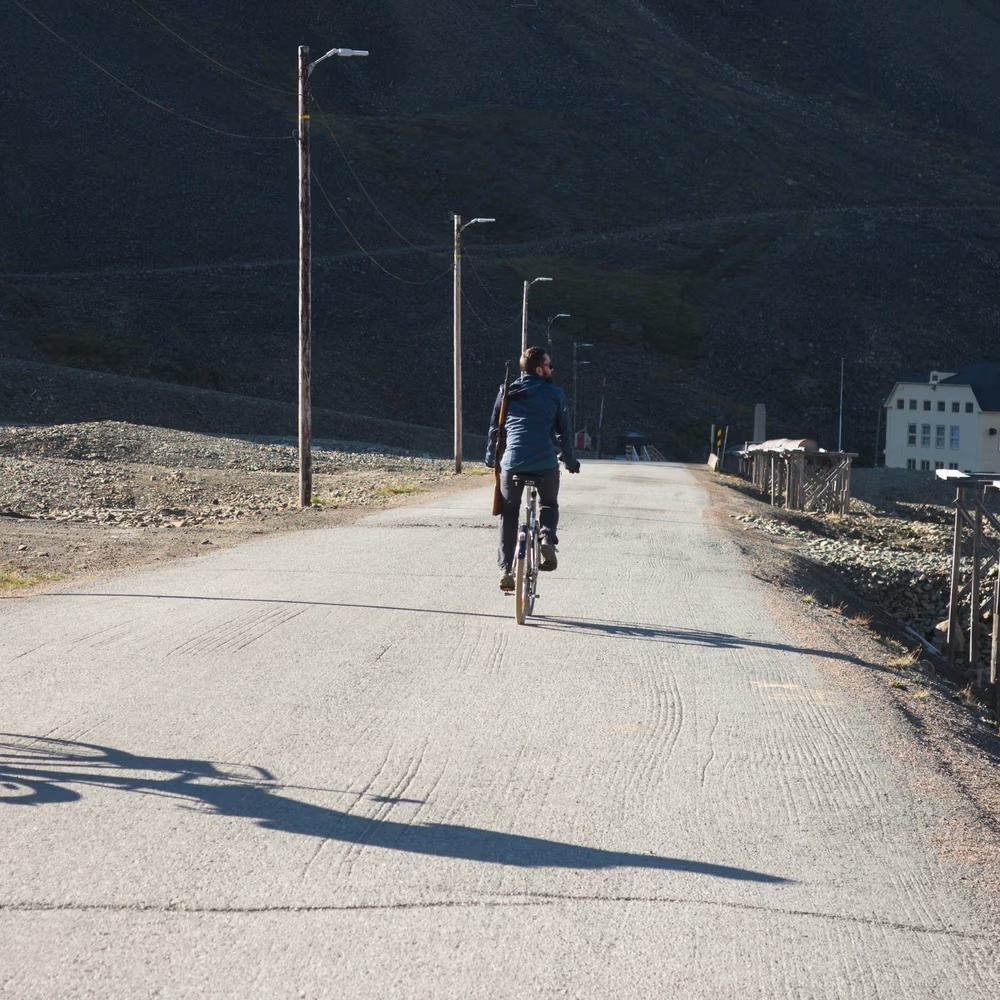 Helmet? Nah, bolt-action rifles can save your life.
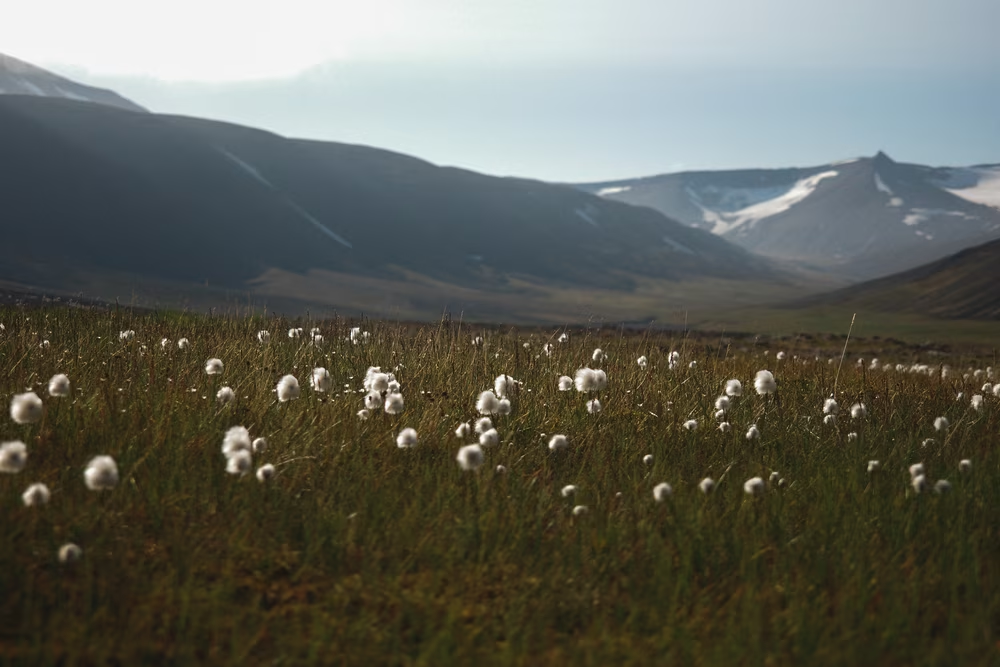 Arctic cotton. The harsh winters destroys most of the local flora, but in summers, they speed-run, thanks to the 24x7 sunlight.
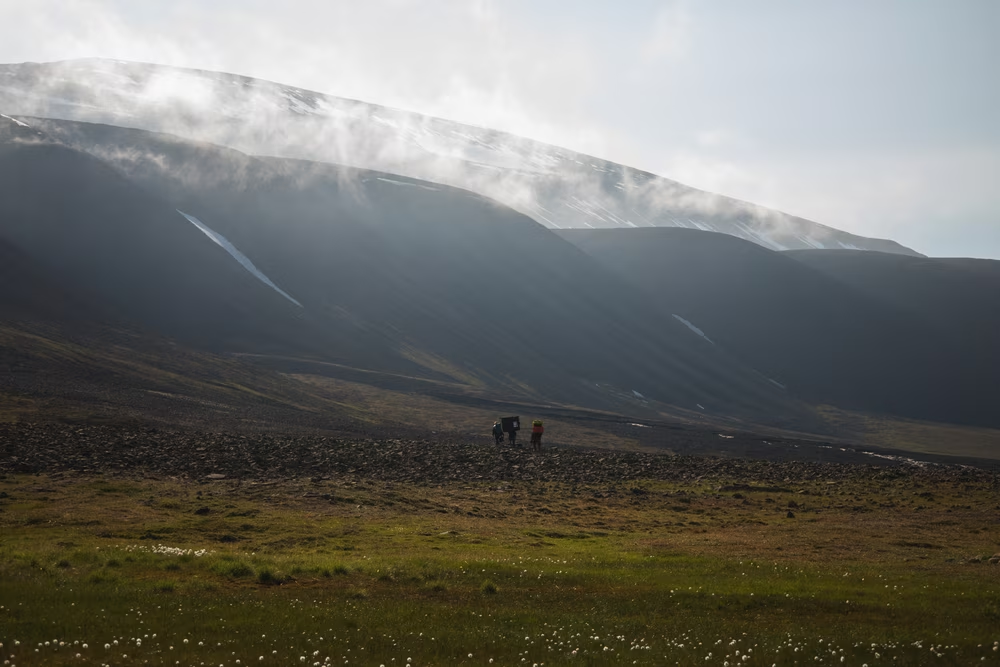 Researchers carrying researcher things for research.
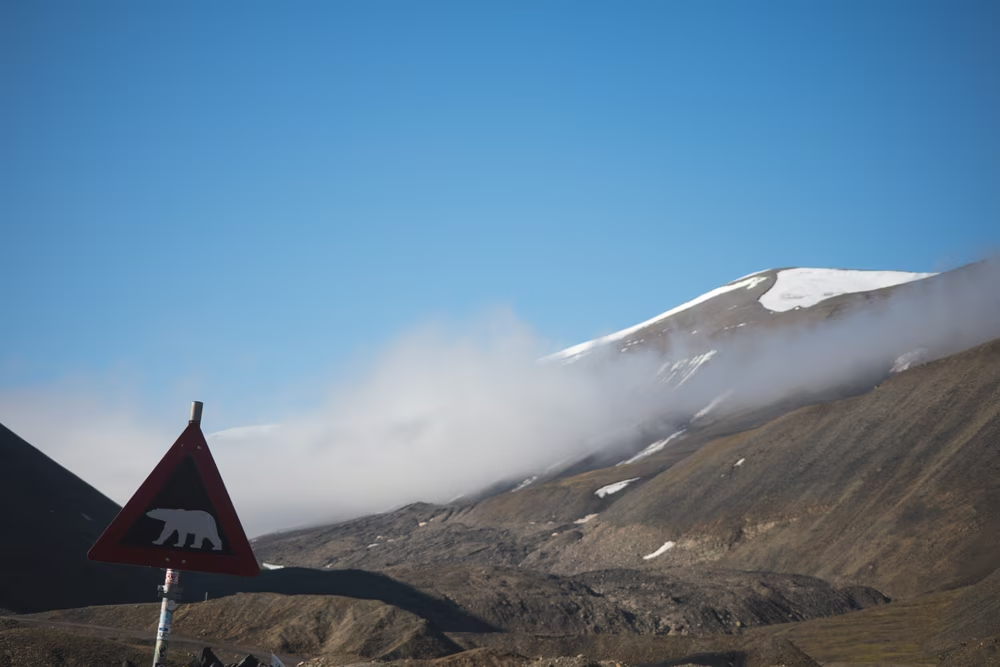 Probably the most photographed road sign in the archipelago.